
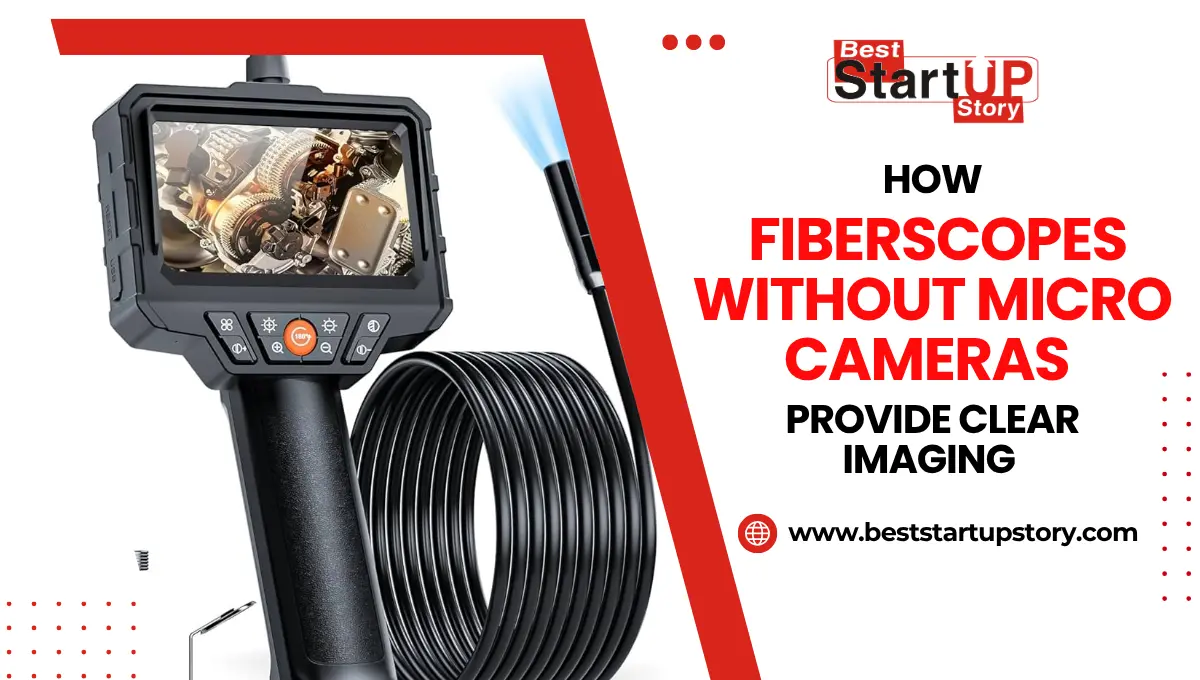
It is very useful to be able to see into confined, hidden, or dangerous areas while conducting industrial operations. Professionals have used borescopes for decades to carry out these jobs, while more recent inventions, such as videoscopes, provide micro-camera options. However, fiberscopes were created to use bundles of fiber optic glass or plastic to offer crystal-clear images long before tiny cameras were popular. Without the use of electrical imaging components, these gadgets show how optical physics may produce amazing outcomes.
This post will explain how fiberscopes operate, why they are still in use, and how they differ from other visual inspection instruments like videoscopes and fiber optic cameras.
The Science Of Fiberscopes
Using thousands of small optical fibers to transport light and pictures is the clever idea behind fiberscopes. Small portions of the whole picture are carried by each fiber in the bundle. When properly packaged and aligned, they replicate the scene at the display system or eyepiece.
Fiberscopes provide a direct optical conduit as opposed to a fiber optic camera, which produces and processes images via electronic sensors. In other words, the picture you see through the scope is the light itself passing through the fibers, not a digital image. A real-time vision without pixelation, latency, or the requirement for electrical components within the probe tip is the end result.
Uncluttered Images Without Electronics
A fiberscope’s ability to capture sharp pictures without a miniature camera is its greatest asset. As a transmission system, the fibers themselves provide both light and vision. The fibers allow a strong light source, usually outside the scope, to shine on the examination region. At the same time, the reflected light is sent back to the user’s eyepiece via another fiber bundle.
Because the probe tip does not contain delicate electrical components, fiberscopes are particularly helpful in tough settings where robustness is essential. They can survive situations that may harm sensitive camera sensors, for instance, in automobile or aerospace inspections.
Versatility In Constrained Spaces
Fiberscopes are still prized because of their remarkable flexibility. Since many of the models have steerable tips, inspectors can easily go around nooks and crannies in industrial equipment, engines, and pipes. Sharp curves of the probe do not affect the image integrity of the flexible fiber bundle.
On the other hand, a fiber optic camera system with electronics integrated into it often finds it difficult to maintain this level of mobility. In very tight or complicated passageways, access may be restricted by the robust housing needed to protect the camera. Fiberscopes perform very well in these situations because of their lightweight and flexible design.
Fiber Optic Cameras And Fiberscopes: A Comparison
Fiberscopes and fiber optic camera systems are both crucial for inspections, yet they have distinct designs.
Utilize fiber bundles for transmission that are solely optical in fiberscopes. In difficult circumstances, they are very dependable, versatile, and long-lasting. Electronic sensors are not necessary for them to function.
Electronic sensors like CCD or CMOS chips are used by fiber optic cameras to take digital pictures. These systems include sophisticated digital storage, zooming, and recording features.
This difference implies that when professionals want visual input in real time without the hassles of technological devices, they often opt for fiberscopes. When it comes to documentation, high-resolution recording, or picture analysis, fiber optic cameras could be preferred.
Utilization In Various Industries
The popularity of videoscopes and sophisticated fiber optic cameras hasn’t stopped the widespread usage of fiberscopes. Among the principal uses are:
- Aerospace: Examining aircraft engines, turbines, and other crucial parts where accuracy and robustness are essential.
- Automobile: Analyzing internal mechanics, fuel systems, and engine blocks without completely disassembling them.
- Medical: Although digital endoscopes have mostly taken their place, fiberscopes are still used in certain treatments that need for visual clarity.
- Manufacturing & Utilities: In manufacturing and utilities, weld integrity, pipes, and machines are evaluated for flaws, corrosion, or obstructions.
The fiberscope is an essential tool for each of these businesses because they need a reliable instrument that produces crisp images without the use of tiny cameras.
Conclusion
Fiberscopes embody the ideal fusion of physics and functionality. Sharp, real-time pictures are delivered in even the most demanding situations by using fiber optic bundles to transport images rather than electronics. Videoscopes and fiber optic cameras provide strong digital capabilities, but fiberscopes’ enduring dependability guarantees their ongoing significance in a variety of sectors.
Fiberscopes are still a tried-and-true method for professionals who want reliable imaging equipment in confined, dangerous, or complicated areas. They don’t require tiny cameras to provide crystal clarity.
Also Read: How Pipe Inspection Cameras Are Revolutionizing Plumbing Diagnostics?