

It’s always tricky to balance work among teams, but it’s even harder now with the way things move so fast. Hybrid work, projects that mix departments, and working with people all over the world mean some folks might get swamped while others are bored. If you don’t have good systems, priorities fight, deadlines get missed, and work quality drops. That’s why the top project management tools now don’t just hand out tasks; they also show what’s going on, keep everyone responsible, and bend when needed. This helps managers match people to what the company wants and keep everyone happy and getting things done.
Lark Base: structuring workload for clarity and accountability
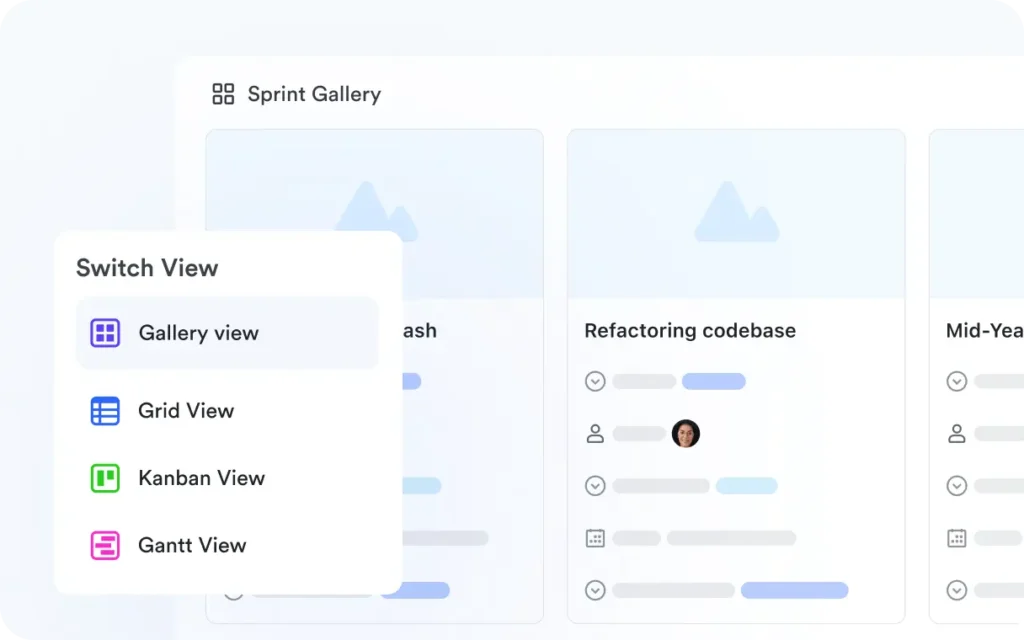
Managing priorities effectively requires a structured system where responsibilities are transparent. Lark Base delivers this by transforming projects into living databases of milestones, owners, and progress. Teams can view projects in dashboards, kanban boards, or grids whichever suits their workflows so everyone has a clear picture of responsibilities. Ownership fields clarify accountability, while automations update progress automatically, reducing the need for manual follow-ups. By connecting customer initiatives with internal projects in one workspace, Base brings CRM app visibility to execution, ensuring external demands and internal priorities stay aligned with equal rigor.
Lark Calendar: creating visibility into priorities
Understanding time commitments across teams is one of the biggest difficulties in workload management. Lark Calendar helps provide that visibility by converting projects, tasks, and reoccurring events into shared schedules, allowing for timely planning. Leaders can discern where deadlines might overlap and reassign workloads before the bottleneck occurs. Team availability is visible; managers can see if one department has an overload of work while the other has capacity. Calendar also supports recurring cycles, such as sprint planning or review sessions, which creates predictable sequences based on workload distribution. Smart reminders reduce the likelihood of deadlines being overlooked, and priorities remain intact even at busy times!
Lark Approval: streamlining decisions to prevent delays
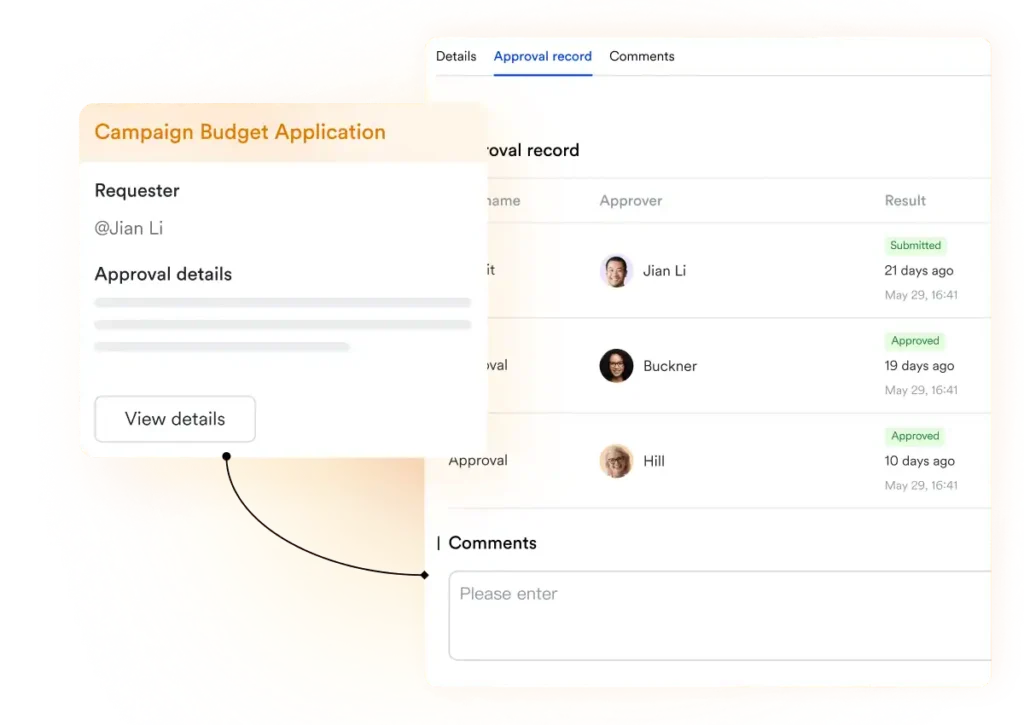
Making decisions can be a sneaky source of stress at work. If approvals take forever, projects get stuck, and things just stack up. Lark Approval fixes this by making the approval process clear, so you know what to expect and get things done fast. With request forms that are easy to follow, the people checking your work get all the info they need right away, which means less asking back and forth. Requests automatically go to the correct people; also, you get notified in Messenger when you have approvals waiting, so they get taken care of fast. Every decision gets recorded, which keeps everyone in check. Approvals don’t have to slow things down because the whole thing runs on an automated workflow, helping teams stay on the same page and keeping work flowing.
Lark Docs: aligning teams on shifting priorities
When environments change, communication often suffers. Lark Docs prevents this problem by creating live documents that let teams see the most current priorities. For example, as teams co-edit their strategy updates, campaign-based briefs, or process documents, they never have to work off-dated documents. Also, inline comments let teams ask clarifying questions within the document, which ultimately makes collaboration easier across departments. Version history captures the decisions made over time and shows how priorities shifted and changed. When changes follow decisions made over time, there is less confusion about how priorities changed or shifted forward. Docs also allow live Sheets to be embedded and directly linked to tasks so that documents enable the document strategies not only communicate the priorities but are also live connections to execution. This prevents duplication of efforts, allows people to execute based on the most recent priority, and ultimately lets everyone get on the same page.
Lark Messenger: making workload adjustments visible in real time
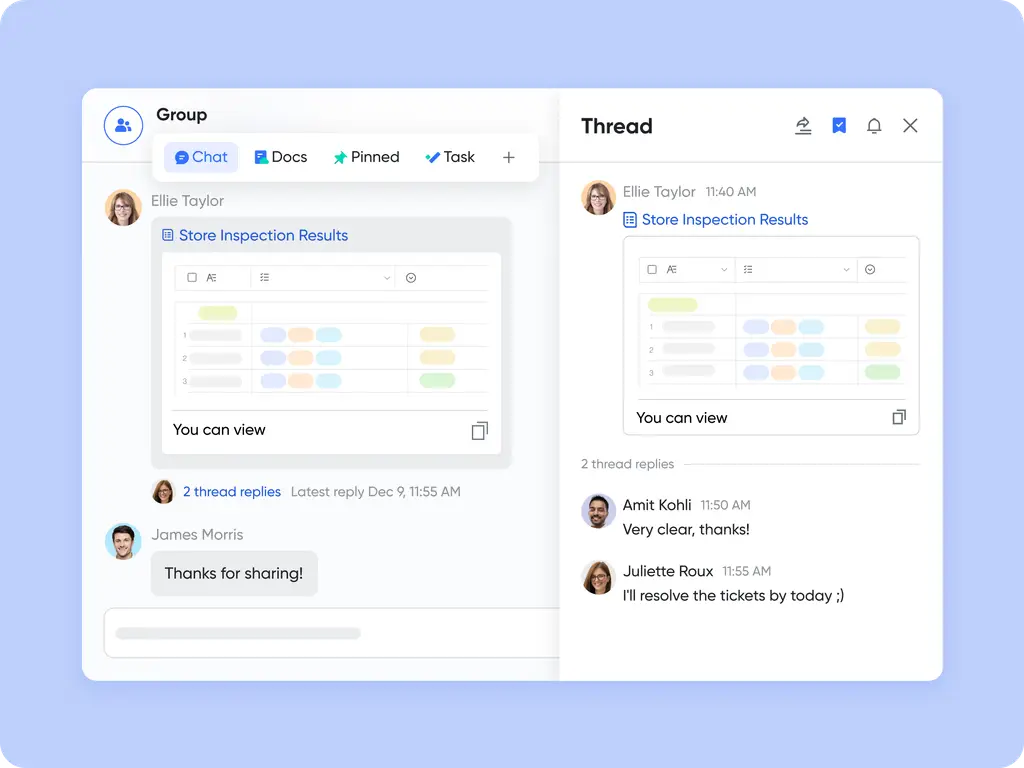
For priorities to remain aligned, communication must be immediate and actionable. Lark Messenger supports this by providing distributed teams with a space where changes can be discussed and acted upon instantly. Threaded conversations help teams keep discussions focused, while pinned updates highlight changes to priorities or deadlines. Buzz notifications allow urgent workload shifts to be communicated without delay, ensuring critical adjustments are seen. More importantly, Messenger allows teams to convert conversations into tasks or calendar events, ensuring workload discussions lead directly to action. This closes the loop between communication and execution, which is essential for managing dynamic priorities.
Lark OKR: tying workload to strategic outcomes
Workload management isn’t just about keeping teams busy. It’s about making sure their work helps the company reach its goals. Lark OKR does this by connecting daily tasks to bigger goals. Objectives show what’s important, and key results make these goals measurable. Workers can see how their tasks fit into the company’s goals, which helps them focus on what really matters. Alignment views show how everyone’s goals connect, so departments don’t work against each other. Dashboards track progress as it happens, and reminders keep OKRs in sight. This makes sure workloads stay focused on what’s strategic, not just quick wins.
Lark Minutes: capturing workload commitments in meetings
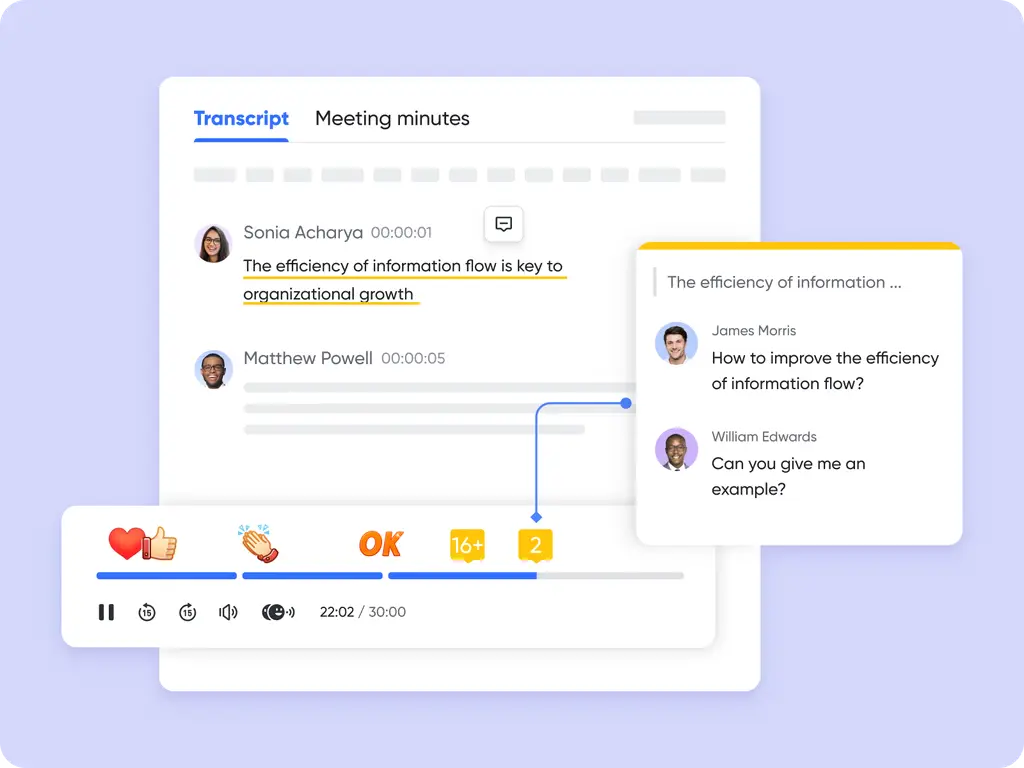
Meetings often cover work and what’s important, but things can get lost if you don’t follow up. Lark Minutes fixes this by turning talks into text, summing up what was decided, and pulling out who needs to do what. Teams don’t have to just remember who said they’d do stuff. What people agree to do turns right into tasks, so everyone knows what they’re in charge of. You can share bits of the meeting with teams, which saves time and makes sure everyone’s responsible. When teams work together, Minutes makes sure what’s talked about turns into clear tasks that can be tracked.
Conclusion
To handle workload and priorities across teams, you need more than just giving out tasks. You also need to be able to see what’s going on, make sure people are responsible, and keep everything in line with your strategy. Lark can help with this.
Base makes sure everyone is responsible for their part. Calendar shows who’s free and when. Approval speeds up decisions. Docs keep everyone on the same page when priorities change. Messenger turns talk into action. OKRs link tasks to goals, and Minutes make sure commitments are remembered.
By using these connected tools, companies can avoid overload and doing the same work twice. They can also make sure that work is focused on what’s most important. This leads to teams that are not just busier, but also smarter, more focused, and better at achieving their goals.
Also Read: Dubai’s Best Pool and Landscape Contractors – Elkin Corp