
Smart technology got a high boom from 2000 onward. It grows by 2806% which is the highest graph.
When we talk about this in the sense of ancient swords which were more than just tools for battle they were engineering marvels that combined skill, precision, and artistry. Their shape and polish showed a deep understanding of materials and movement, long before modern technology existed.
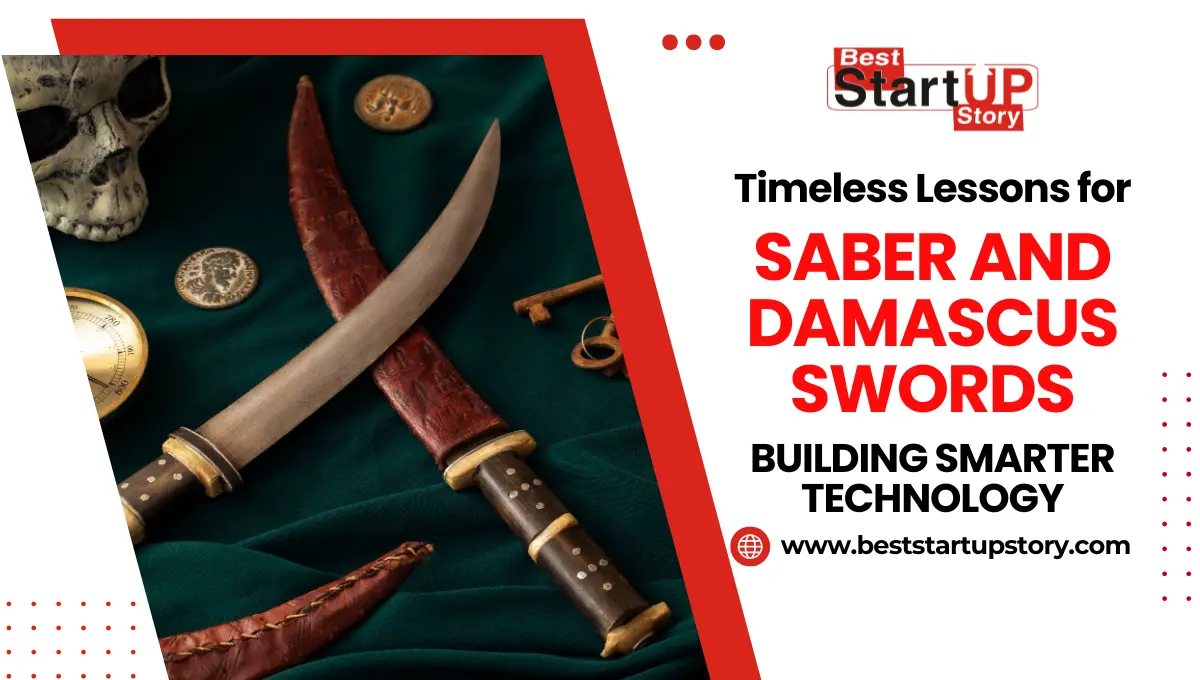
The Saber Sword is famous for its curved and balanced design. The main motive behind it was for speed and precise control.
On the other hand, the Damascus Sword stands out with its layered steel, wavy patterns, and exceptional durability, blending artistry with strength in a way that still captivates collectors and engineers alike.
What’s amazing is that these swords continue to inspire modern technology and innovation. The lessons hidden in their design still guide us in building smarter and stronger tools. They influence innovations in robotics, shape advances in aerospace, and inspire the design of consumer products.
Saber Sword: Engineering Agility and Precision
The Saber Sword earned its reputation on the battlefield because it allowed warriors to strike quickly and move with agility. Its curved blade, sharpness, balanced weight, and ergonomic hilt made it feel like an extension of the arm, giving the wielder complete control and speed.
These design principles still inspire modern technology. Ergonomic tools, such as hand-held devices and kitchen knives, borrow the Saber’s focus on comfort and balance to reduce fatigue and improve efficiency. In robotics, engineers use the idea of smooth and natural motion to create robotic arms that move more efficiently and safely. Even sports technology, including racquets, bats, and fencing gear, applies the Saber’s balance and energy transfer principles to improve performance and precision.
The Saber Sword shows that when design matches human movement, both performance and elegance can reach new heights.
Damascus Sword: Strength, Patterns, and Material Science
The Damascus Sword stands out not only for its beauty but also for its strength. It is a symbol of artistry, durability, and samurai tradition. The sword’s wavy steel patterns, layered forging, resilience, and lasting sharpness reflect centuries of skilled craftsmanship. Each blade was carefully folded and hammered to create patterns that are as functional as they are visually striking.
Today, these principles influence modern material science. Layered alloys and nanotechnology take inspiration from Damascus forging to create metals that are stronger, more flexible, and even self-healing.
In aerospace, engineers design metals that resist stress, fatigue, and extreme conditions using similar concepts. The sword’s aesthetic beauty also inspires product design, influencing luxury watches, knives, and consumer electronics that combine performance with visual appeal.
The Damascus Sword proves that strength and beauty are not separate. When combined thoughtfully, they create designs that endure through time and continue to guide modern innovation.
Shared Design Principles That Inspire Innovation
The Saber and Damascus swords show timeless lessons that continue to guide modern designers and engineers.
Their principles combine beauty, strength, and clever engineering in ways that remain relevant today.
| Design Principle | Sword Example | Modern Application |
| Form + Function | Saber’s curved blade; Damascus wavy patterns | Luxury products, ergonomic tools, consumer electronics |
| Durability + Performance | Balanced weight of Saber; Damascus steel layers | Aerospace materials, sports equipment, surgical instruments |
| Craftsmanship + Innovation | Meticulous folding and forging by swordsmiths | Robotics, nanotechnology, advanced materials |
Lessons for Designers and Engineers Today
- Use historical craftsmanship as a blueprint for innovation.
- Focus on precision, balance, and material understanding.
- Blend aesthetics with performance for functional and beautiful designs.
- Learn from the Saber and Damascus swords to create enduring products.
Conclusion
The Saber and Damascus swords offer timeless lessons for building smarter technology. Their design, balance, and craftsmanship continue to inspire engineers and designers today.
What ancient swordsmiths achieved through skill, intuition, and creativity, modern engineers now study and apply using science.
These blades show that any transformation begins by looking to history, where craftsmanship and creativity first shaped smarter, stronger, and more beautiful tools.
Also Read: The Dubai Fountain: Timings, Tickets & Visitor Guide